
What to Do if Charger Cable Is Not Working
2024-03-02 · Phone Repairs Newcastle
What to Do if Charger Cable Is Not Working? Have you ever been in a situation when your beloved charger suddenly stops working leaving you frustrated and clueless? And are you wondering What to do if charger cable is not working? If yes, you have come to the right place. A working charger cable is essential for keeping our devices powered up and ready to use. Whether it’s a smartphone, tablet, or laptop, we rely on these devices for communication, entertainment, and productivity. However, sometimes we encounter issues with our charger cables that prevent them from functioning properly.
Why My Charging Cable Is Not Working
Common issues with charger cables include frayed wires, loose connections, or even complete failure to charge the device. These problems can be frustrating and inconvenient, especially when we need our devices the most. In this article, we will explore various steps you can take to troubleshoot and fix a faulty charger cable.
Key Takeaways
- Check the power source and try a different outlet
- Inspect and clean the charger cable and charging port
- Try a different charger or cable to determine the problem
- Restart or reset your device to fix the issue
- Contact the manufacturer if the device is still under warranty
What to Do if Charger Cable Is Not Working
Check the Power Source: Is the Outlet Working Properly?
Before assuming that your charger cable is at fault, it’s important to check if the power source itself is working properly. Start by plugging another device into the same outlet to see if it powers up successfully. If it does not work either, then there might be an issue with the outlet itself.
To further investigate this problem, you can try plugging your device into a different outlet in another room or area of your house. This will help determine whether the issue lies with a specific outlet or if there is a broader electrical problem in your home.

If you find that none of your outlets are working correctly or suspect an electrical issue in your home’s wiring system, it is advisable to contact a professional electrician who can diagnose and resolve any underlying problems.
Inspect the Charger Cable: Are There Any Visible Signs of Damage?
If you have determined that there are no issues with your power source but still experience charging problems with your device using a particular cable, it’s time to inspect that cable for any visible signs of damage.
Start by examining both ends of the cable where they connect to both your device and power source respectively. Look out for frayed wires or bent connectors as these can cause a poor connection and prevent proper charging. Additionally, check for any discoloration or burn marks on the cable, which could indicate a more severe issue.
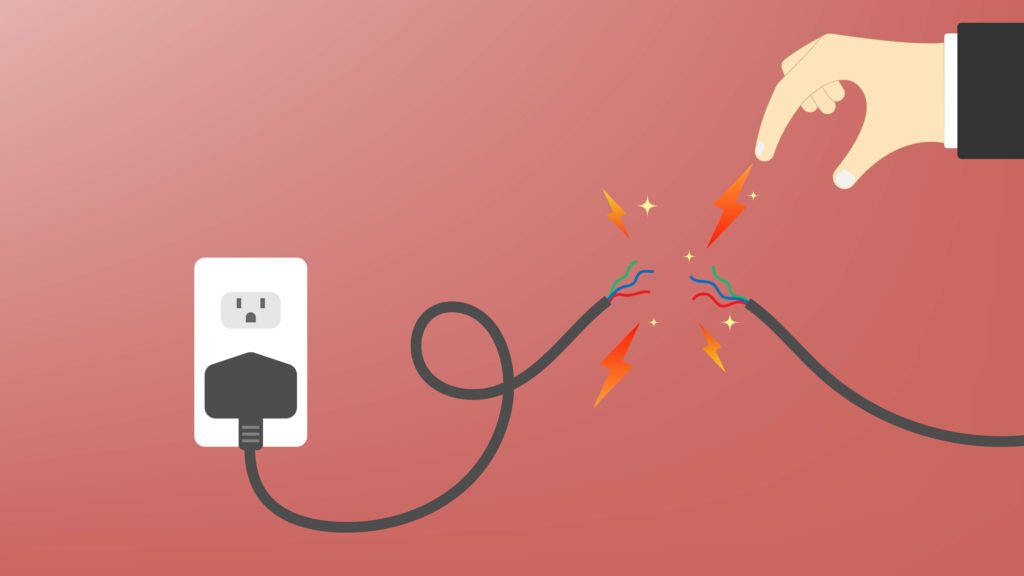
If you notice any signs of damage, it is crucial to replace the cable as soon as possible. Continuing to use a damaged charger cable not only poses a risk to your device but also increases the likelihood of electrical hazards such as short circuits or even fires.
Clean the Charger Cable: Dust and Debris Could be the Culprit
Sometimes, charging issues can arise due to dust or debris obstructing the connection between your device and charger cable. Over time, lint from pockets or dirt from surfaces can accumulate in both the charging port of your device and on the connectors of your charger cable.
To clean your charger cable effectively, start by unplugging it from both ends. Then, using a soft cloth or microfiber cloth lightly dampened with water (avoid using excessive moisture), gently wipe down the entire length of the cable. This will help remove any visible dirt or grime that may be hindering its performance.
It’s important to note that while cleaning is beneficial for maintaining optimal functionality, you should avoid using harsh chemicals or abrasive materials during this process. These substances can damage both the outer coating of your charger cable and delicate components within your device’s charging port.
Try a Different Outlet: Sometimes The Problem Is With The Power Source
If you have inspected and cleaned your charger cable but are still experiencing issues with charging, it’s worth trying another outlet before assuming there is an inherent problem with either your device or its accessories.
To find an alternative outlet for testing purposes, look for one in another room or area where you know other devices successfully charge without any problems. Plug in your charger into this new outlet and connect it to your device as usual.
If this resolves the issue and allows for successful charging, then it indicates that there was a problem with the previous outlet you were using. However, if the problem persists even with a different outlet, it’s time to move on to the next troubleshooting step.
Use a Different Charger: Is The Problem With The Cable Or The Charger Itself?
At this stage, it’s essential to determine whether the issue lies with your charger cable or the charger itself. To do this, you will need access to another compatible charger that you know is in working condition.
If possible, borrow a charger from a friend or family member who uses the same type of device as you. Alternatively, consider purchasing a new charger specifically designed for your device model.
Once you have obtained an alternative charger, connect it to your device using either your original cable or the one that came with the borrowed/ newly purchased charger. If your device charges successfully using this different combination of cable and charger, then it confirms that there was indeed an issue with either your original cable or its associated charging brick.
Restart Your Device: A Simple Restart Could Solve The Problem
Sometimes, technical glitches can cause charging issues that are easily resolved by restarting your device. This simple action helps clear any temporary software bugs or conflicts that may be hindering proper charging functionality.
To restart most devices such as smartphones and tablets, press and hold down their power button until prompted with options such as “Restart” or “Power Off.” Selecting “Restart” will initiate the process and allow for a fresh start once powered back on.
For laptops and computers running Windows operating systems, click on the Start menu located at the bottom left corner of your screen and select “Restart” from within its options list. On Mac computers, click on Apple menu located at top left corner of screen followed by selecting “Restart.”
Check The Charging Port: Is There Any Debris Or Dirt Blocking The Connection?
If restarting did not resolve your charging issues but all other troubleshooting steps have been exhausted, it’s time to inspect the charging port of your device. Over time, lint, dust, or other debris can accumulate within the port and prevent a secure connection between your device and charger cable.
To check for any blockages in the charging port, use a flashlight to illuminate its interior. Look out for any visible dirt or debris that may be obstructing the metal connectors within the port.
If you notice any obstructions, it is crucial to remove them carefully without causing further damage. However, exercise caution when attempting this step as excessive force or using sharp objects can lead to permanent damage of both your device’s charging port and its internal components.
Use A Toothpick Or Soft Brush To Clean The Charging Port
To clean your device’s charging port effectively without causing harm, you can use a toothpick or a soft brush specifically designed for electronics cleaning purposes. These tools allow for gentle removal of dirt and debris while minimising the risk of damaging delicate components within the charging port.
Start by turning off your device completely before proceeding with this step. Then take a toothpick and gently insert it into the charging port at an angle that allows you to scrape away any visible dirt or lint present inside. Be careful not to apply excessive pressure as this could bend or break off one of the metal connectors within.
Alternatively, if you have access to a soft brush designed for electronics cleaning (such as an anti-static brush), lightly sweep it across all areas of the charging port in order to dislodge any accumulated debris.
Try A Different Cable: Borrow From A Friend Or Buy A New One
If cleaning your charger cable did not resolve your issues but all other troubleshooting steps have been exhausted successfully thus far, it’s time to consider trying another cable altogether.
Borrowing from a friend who uses a similar type of device is often an easy way to test whether using their cable resolves your problem. Alternatively, you can purchase a new charger cable specifically designed for your device model.
When selecting a new cable, it’s important to choose one that is compatible with your device and meets the necessary specifications. This includes factors such as the correct charging port type (e.g., USB-C, Lightning), appropriate voltage and amperage ratings, and overall build quality.
Reset Your Device: Sometimes A Reset Can Fix The Problem
If all previous steps have failed to resolve your charging issues, performing a reset on your device may be worth considering. This action restores your device’s settings to their original factory defaults and can help eliminate any software-related problems that may be affecting proper charging functionality.
Before proceeding with a reset, it is crucial to back up any important data or files stored on your device as this process will erase all user data. Once you have completed the backup process, follow the specific instructions for resetting your particular device model.
For most smartphones and tablets running Android operating systems, navigate to “Settings,” then select “System” or “General Management,” followed by “Reset” or “Factory Data Reset.” On iPhones and iPads running iOS operating systems, go to “Settings,” then select “General,” followed by tapping on either “Reset” or “Erase All Content and Settings.”
Update Your Device: A Software Update Could Solve The Issue
Software updates are released periodically by manufacturers in order to address bugs or vulnerabilities within their devices’ operating systems. These updates often include improvements in performance as well as bug fixes that could potentially resolve issues related to charging functionality.

To check if there are any available software updates for your device:
– For smartphones and tablets running Android: Go to “Settings,” then select either “System Updates” or similar options depending on the manufacturer.
– For iPhones/iPads running iOS: Go to “Settings,” then tap on either “General” followed by “Software Update” or “Software Update” directly.
If an update is available, follow the on-screen instructions to download and install it. Once completed, restart your device and check if the charging problem has been resolved.
Contact The Manufacturer: If The Device Is Still Under Warranty
If you have exhausted all troubleshooting steps mentioned above and are still experiencing charging issues with your device, it may be time to contact the manufacturer for further assistance. This is particularly relevant if your device is still under warranty as they may offer device repair or replacement options at no additional cost to you.
To contact the manufacturer, refer to their official website or documentation that came with your device for customer support information. Most manufacturers provide multiple channels of communication such as phone support, live chat, or email inquiries.
When reaching out for assistance, be prepared to provide detailed information about your specific issue along with any relevant troubleshooting steps you have already taken. This will help expedite the process and ensure that you receive accurate guidance tailored to your situation.
Conclusion
In conclusion, a faulty charger cable can be a frustrating problem that hinders our ability to keep our devices powered up and ready for use. However, by following a systematic approach of troubleshooting steps outlined in this article, you can increase the chances of identifying and resolving any issues related to charging functionality effectively.
Remember always to start by checking the power source before inspecting and cleaning both ends of your charger cable for visible signs of damage. If necessary, try using a different outlet or borrowing/ purchasing another charger altogether in order to determine whether the issue lies with either component individually.
Additionally, restarting your device can often resolve temporary software glitches while checking and cleaning both the charging port using toothpicks/ soft brushes helps eliminate any debris obstructing proper connection between cable and device.
If all else fails after attempting various troubleshooting methods mentioned above including resetting or updating software, it may be necessary to contact the manufacturer for further assistance, especially if your device is still under warranty.
By following these steps and remaining patient throughout the process, you can increase the likelihood of successfully resolving charging issues with your Apple , Samsung or any other devices and ensure that you can continue using it without interruptions.
Seeking professional repair services for your charger cable is a sensible choice if troubleshooting efforts prove unsuccessful or if the issue appears to be more complex. Professional technicians possess the expertise and specialised tools needed to accurately diagnose and resolve problems with charger cables efficiently. Their thorough inspection process ensures that underlying issues are properly identified and addressed, reducing the risk of further damage to your device or charger.
Furthermore, professional repair services often provide warranties or guarantees on their workmanship, offering assurance that the repair is reliable and backed by a reputable service provider. This peace of mind, coupled with the potential cost savings compared to purchasing a new charger cable or device, makes professional repair services a practical solution for restoring functionality to your charging setup.
FAQs
What are the common reasons why a charger cable stops working?
There are several reasons why a charger cable stops working, including physical damage, frayed wires, loose connections, and software issues.
How to check if charger is working?
You can determine if your charger cable is working by checking if your device is not charging or if it is charging slowly. You can also check for physical damage or frayed wires.
What should I do if my charger cable is not working?
If your charger cable is not working, you can try cleaning the charging port, checking for physical damage or frayed wires, trying a different charger cable or power source, and resetting your device.
Can I fix a charger cable that is not working?
In some cases, you can fix a charger cable that is not working by repairing or replacing the frayed wires or loose connections. However, if the damage is severe, it may be best to replace the charger cable.
How can I prevent my charger cable from not working?
You can prevent your charger cable from not working by avoiding physical damage, keeping it away from water and extreme temperatures, and unplugging it properly. You can also invest in high-quality charger cables and avoid using third-party chargers.
PK|18112080|1:30|CON