
Is Your iPhone Still Waterproof After Screen Replacement?
2024-02-12 · Phone Repairs Newcastle
Is Your iPhone Still Waterproof After Screen Replacement? When it comes to our beloved iPhones, we all want to keep them safe from any potential damage, especially water damage. Accidents happen, and sometimes we find ourselves in need of a screen or battery replacement. But the question that arises is whether our iPhones will still be water-resistant or waterproof after these replacements. In this article, we will explore this topic in detail and provide you with the necessary information to understand iPhone water resistance.
IP Rating System for Water Resistance
To determine the level of water resistance in electronic devices, including iPhones, an IP (Ingress Protection) rating system is used. The IP rating consists of two digits: the first indicates protection against solid objects such as dust, while the second indicates protection against liquids like water.
The different levels of IP ratings provide valuable information about a device’s ability to withstand water exposure. For example, an iPhone with an IP67 rating means it is dust-tight and can be submerged in up to 1 meter of water for 30 minutes without suffering damage. On the other hand, an iPhone with an IP68 rating can withstand being submerged in deeper water for a longer duration.
Understanding iPhone Water Resistance
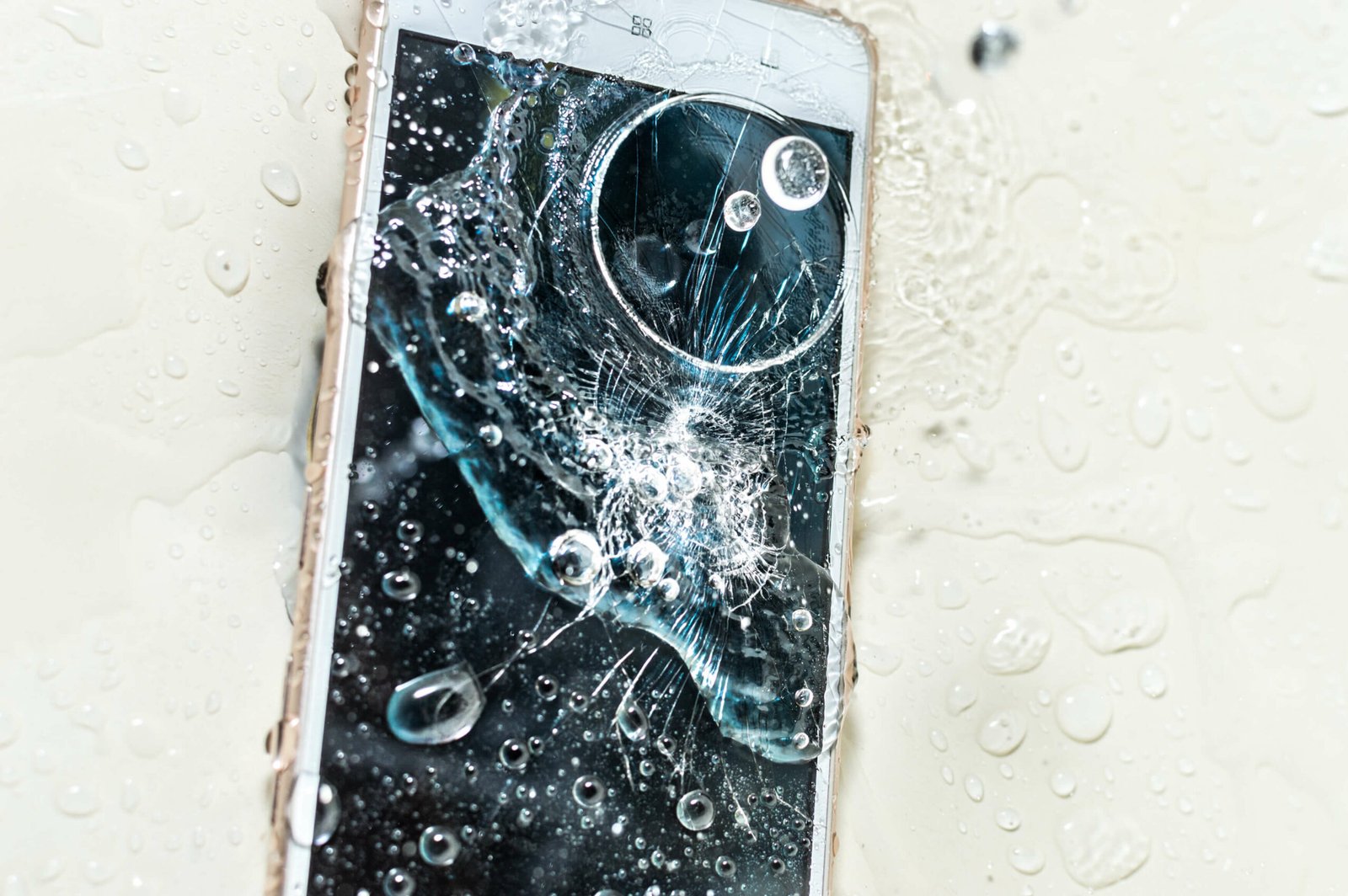
Before diving into the impact of screen or battery replacements on iPhone water resistance, it’s essential to understand the difference between being water-resistant and waterproof. iPhones are designed to be water-resistant, which means they can withstand exposure to water to a certain extent but are not entirely waterproof like some other devices.
The level of water resistance varies depending on the iPhone model. Starting with the iPhone 7, Apple introduced water resistance features in its devices. Each subsequent model has improved water resistance capabilities, allowing them to withstand being submerged in water for longer periods. However, it’s important to note that no iPhone is designed for continuous underwater use.
Is Your iPhone still waterproof after screen replacement?
If you find yourself in a situation where you need to replace your iPhone’s screen or battery, rest assured that your device should still retain its water-resistant properties after the replacement, given that it is done correctly by authorised technicians. Apple ensures that when these replacements are performed, the iPhone should function like new, offering the same level of water resistance as before.
However, it is crucial to get these replacements done through official channels, such as the Apple store or certified repair locations. Third-party repair shops may offer cheaper alternatives, but there is a risk of the job not being done correctly, compromising the water-resistant abilities of your iPhone. To ensure peace of mind and maintain the integrity of your device, it’s best to rely on Apple’s authorised technicians.
The Role of Adhesives in Maintaining Water Resistance
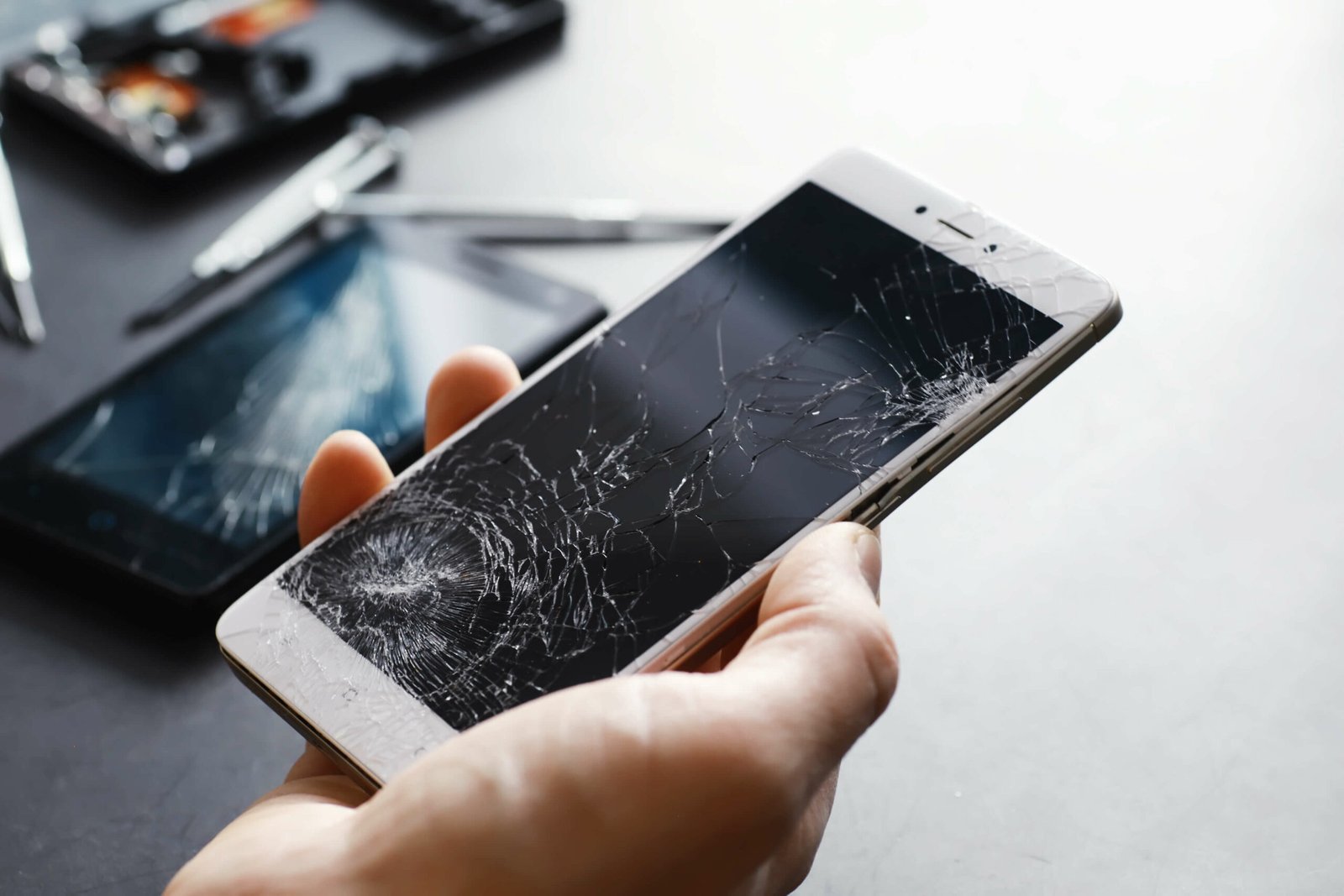
Adhesives play a crucial role in maintaining the water resistance of iPhones. They create a tight seal between the screen and the device’s frame, preventing water from entering. Proper adhesive application is essential to ensure that this seal remains intact.
Improper adhesive application can compromise water resistance by creating gaps or weak points where water can seep through. It is crucial to use high-quality adhesives specifically designed for iPhone repairs and follow proper installation techniques to ensure optimal water resistance.
Apple’s Warranty and Water Damage
Although iPhones are water-resistant, it’s important to note that Apple does not cover water or liquid damage under its warranty or AppleCare program for iPhones. This indicates that while iPhones can handle some water exposure, they are not entirely waterproof. If your iPhone sustains liquid damage, Apple will not provide a free replacement or repair.
It’s crucial to understand that even if you have an iPhone in good working condition without any screen or battery replacements, you should still exercise caution when exposing it to water. The water resistance rating of iPhones can diminish over time, especially with prolonged submersion. Therefore, it’s best to avoid testing the limits of your iPhone’s water resistance and ensure proper care to prevent any potential damage.
The Importance of Proper Installation Techniques for Screen Replacement
Proper installation techniques are paramount when it comes to maintaining water resistance during screen replacement. One common mistake is not aligning the screen correctly with the device’s frame. This can result in gaps that allow water to penetrate.
Another mistake is applying excessive force during installation. This can damage the internal components responsible for maintaining water resistance or cause misalignment, both of which compromise the device’s ability to withstand water exposure.
It is essential to follow manufacturer guidelines and seek professional assistance when replacing an iPhone screen to ensure proper installation techniques are employed, minimising the risk of water damage.
Common Misconceptions about Waterproofing and Screen Replacement
There exist several prevalent misconceptions regarding waterproofing and screen replacement, often leading to confusion among smartphone users. Addressing these misconceptions is crucial to ensure that individuals make informed decisions regarding the maintenance and care of their devices.
One common misconception is the belief that all smartphones are entirely waterproof. While many modern smartphones boast water-resistant features, it’s essential to understand the distinction between water resistance and waterproofing. Most smartphones are designed to withstand minor water exposure, such as splashes or brief immersion in shallow water, but they are not impervious to water damage under all circumstances. Submerging a smartphone beyond its specified depth or exposing it to water for extended periods can still result in water ingress and damage to internal components.
Another misconception pertains to the impact of screen replacement on a phone’s waterproofing integrity. Some users may assume that replacing a damaged screen has no bearing on the device’s ability to resist water. However, the process of screen replacement involves disassembling the phone, which can disrupt the original seals and protective coatings designed to prevent water intrusion. As a result, there is a risk that the phone may no longer retain its waterproofing capabilities after undergoing screen replacement, especially if the replacement is not performed by a qualified technician using genuine parts.
Furthermore, there is a misconception surrounding the necessity of waterproof testing post-screen replacement. Some users may mistakenly believe that once the screen is replaced, the phone’s waterproofing remains unaffected. However, it’s essential to conduct thorough testing to ensure that the device maintains its waterproofing integrity. Testing can identify any potential vulnerabilities or issues arising from the replacement process, allowing users to take appropriate measures to address them and prevent water damage in the future.
Additionally, there is a misconception regarding the effectiveness of DIY waterproofing methods. While some individuals may resort to DIY solutions such as applying aftermarket waterproofing sprays or sealants, these methods are often ineffective and may even damage the device further. Manufacturers invest significant resources in developing and testing waterproofing technologies specific to each device, and tampering with these systems can compromise their effectiveness. Therefore, it’s crucial to adhere to manufacturer guidelines and seek professional assistance when addressing waterproofing concerns.
By dispelling these misconceptions and providing accurate information, users can better understand the factors influencing waterproofing and screen replacement. It’s essential to approach smartphone maintenance and care with caution and diligence to ensure the long-term functionality and durability of the device, particularly in challenging environmental conditions.
Tips to Maintain Waterproofing After iPhone Screen Replacement
After undergoing screen replacement, it’s vital to take proactive measures to preserve the iPhone’s waterproofing integrity and minimise the risk of water damage. Here are some practical tips to help maintain waterproofing post-screen replacement:
Invest in a High-Quality Protective Case
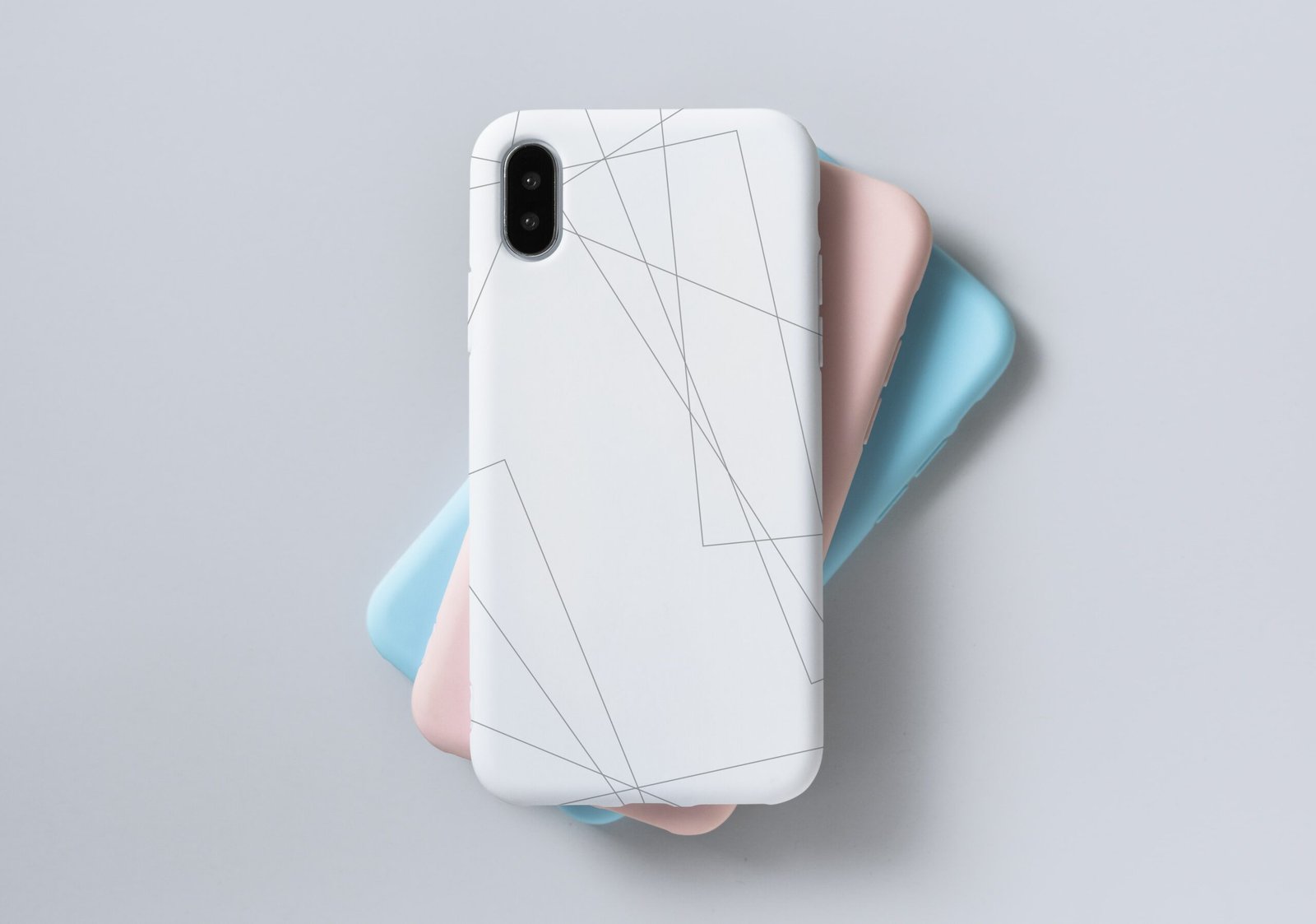
A durable and water-resistant case specifically designed for your smartphone model can provide an additional layer of protection against water ingress. Look for cases that offer a snug fit and feature reinforced seals to prevent moisture from seeping into the device.
Choose a Screen Protector
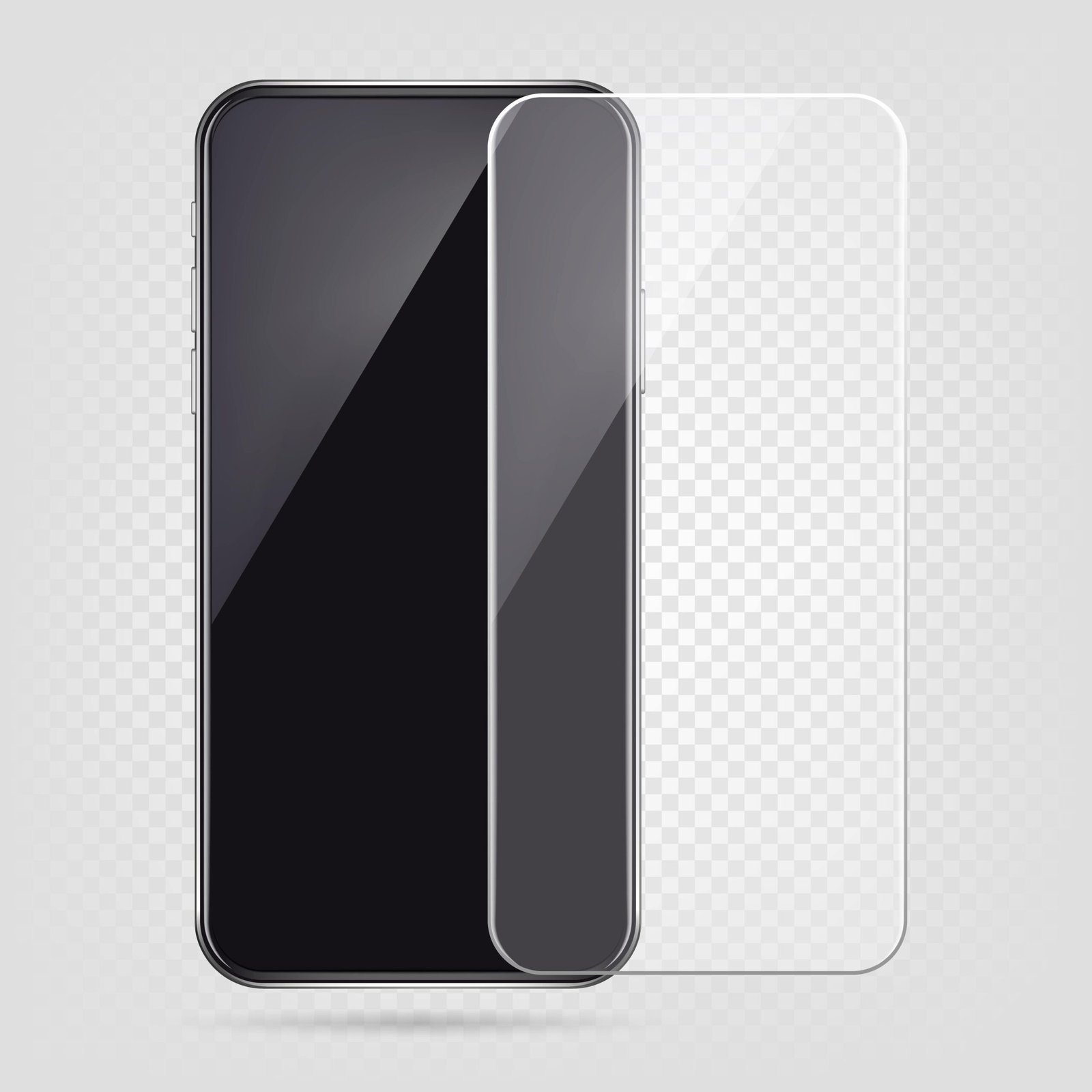
In addition to a protective case, consider applying a tempered glass screen protector to your device. Not only does a screen protector safeguard the screen from scratches and cracks, but it also helps maintain the integrity of the waterproofing seals around the edges of the screen.
Avoid Exposure to Water Beyond Specifications
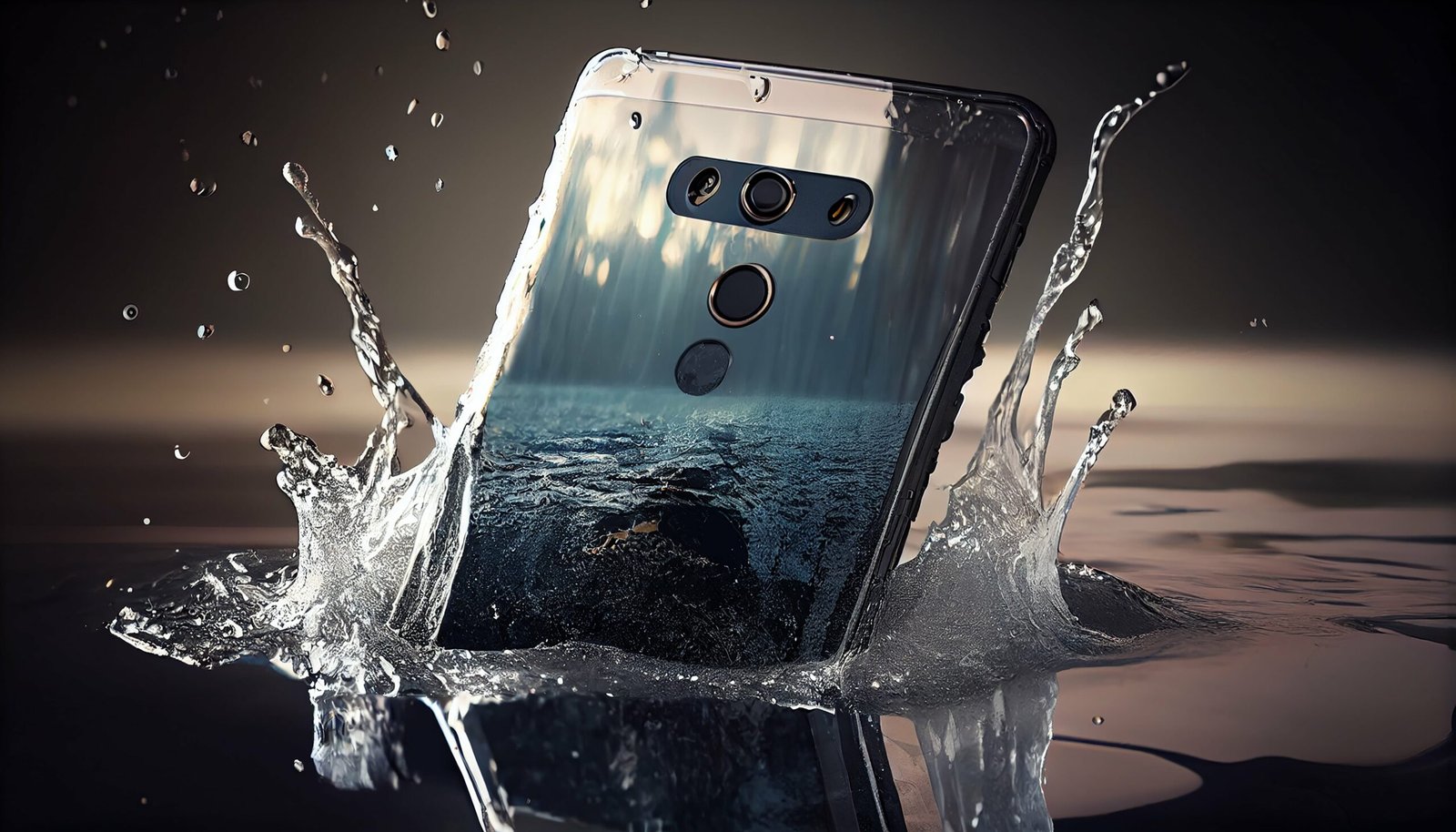
While modern smartphones are designed to withstand certain levels of water exposure, it’s essential to adhere to the manufacturer’s specifications. Avoid submerging the device in water deeper than the recommended depth or exposing it to high-pressure water jets, as these actions can compromise the waterproofing seals.
Regularly Inspect the Device
Routinely inspect your smartphone for signs of wear or damage to the waterproofing seals and protective covers. Look for any cracks, gaps, or areas where the seals may have become dislodged or compromised. Promptly address any issues to prevent water from entering the device.
Avoid Extreme Environmental Conditions
Extreme temperatures and humidity levels can affect the performance of waterproofing seals and adhesives. Avoid exposing your smartphone to excessive heat, cold, or humidity, as these conditions may degrade the integrity of the seals over time.
Use Caution When Charging
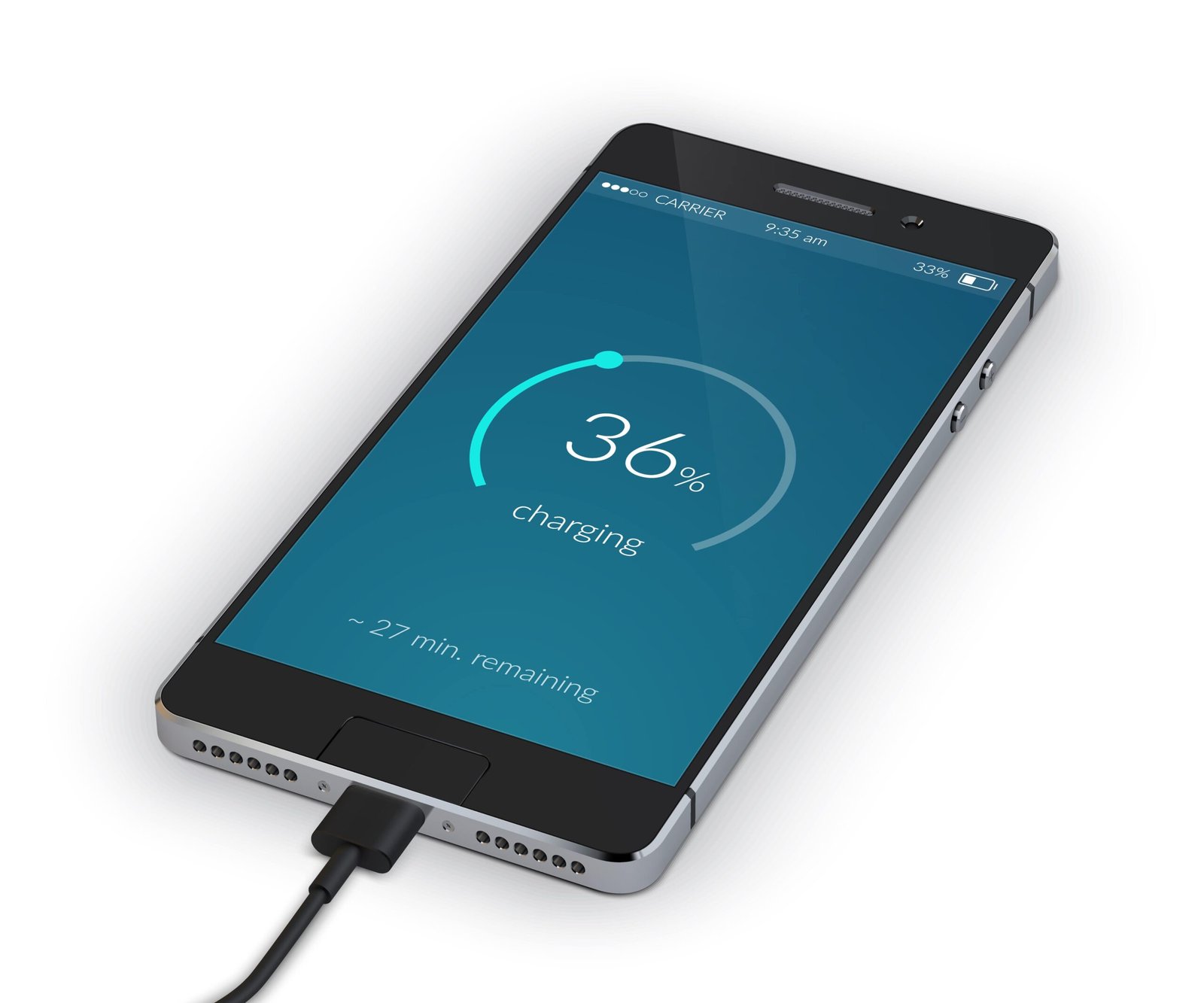
Be mindful when charging your device, especially if it has undergone screen replacement. Avoid exposing the charging port to water or moisture, as this can lead to corrosion and damage to the internal components. Consider using wireless charging or ensuring that the charging port is dry before connecting the charger.
Perform Regular Waterproofing Tests
Periodically test the waterproofing capabilities of your device using manufacturer-recommended methods or professional testing services. Conducting regular tests allows you to identify any potential issues early on and take corrective action to maintain waterproofing integrity.
Seek Professional Assistance if Needed
If you encounter any issues or concerns regarding the waterproofing of your device post-screen replacement, don’t hesitate to seek assistance from qualified technicians or authorised service centers. They can assess the device, identify any underlying issues, and perform necessary repairs to restore waterproofing functionality.
By following these tips and adopting a proactive approach to maintenance, you can help ensure that your smartphone maintains its waterproofing capabilities after undergoing screen replacement. Remember to exercise caution and diligence to protect your device from water damage and prolong its lifespan.
Making Informed Decisions About Screen Replacement and Water Resistance
In conclusion, water resistance is a crucial feature in iPhones that protects them from potential damage caused by water exposure. Screen replacement poses risks to this water resistance, primarily due to the removal and replacement of the adhesive that creates a waterproof seal.
Understanding the IP rating system and the significance of proper installation techniques and adhesive application is essential in maintaining water resistance during screen replacement. Regularly testing your iPhone’s water resistance and following tips for maintenance can further ensure its protection against water damage.
By making informed decisions about screen replacement and water resistance, you can prolong the lifespan of your iPhone and avoid costly repairs or replacements due to water damage. Protecting your device from water exposure is not only a matter of convenience but also a wise investment in its longevity and functionality.
Is iPhone 12 still waterproof after screen replacement?
Yes, iPhone 12 maintains its waterproofing capabilities even after a screen replacement, provided the repair is conducted meticulously. Apple designs its devices with stringent waterproofing measures, including seals and adhesives, to safeguard internal components from water damage. However, it’s crucial to ensure that the screen replacement is performed by a qualified technician using high-quality replacement parts and adhering to proper repair procedures. By following these guidelines, you can preserve the waterproofing integrity of your iPhone 12 post-screen replacement.
Is iPhone 11 still waterproof after screen replacement?
Similarly, iPhone 11 retains its waterproofing feature following a screen replacement, given that the repair is executed with precision. Apple incorporates robust waterproofing mechanisms into its devices, such as tight seals and adhesives, to prevent water intrusion. To maintain the waterproofing effectiveness of your iPhone 11 after a screen replacement, it’s essential to engage the services of a reputable repair provider who utilises genuine replacement parts and follows recommended repair protocols. By taking these precautions, you can ensure that your iPhone 11 remains resistant to water damage.
Conclusion
In conclusion, your iPhone should still retain its water-resistant properties after a screen or battery replacement. However, it’s important to remember that iPhones are not fully waterproof and should not be subjected to excessive water exposure. To ensure the best results and maintain the integrity of your device, it’s recommended to get replacements done through official channels like the Apple store or professional repair services.
Water damage is not covered by Apple’s warranty or AppleCare program, highlighting the importance of taking precautionary measures to protect your iPhone. While iPhones can handle some water exposure, it’s best to avoid pushing the limits and risking potential damage.
Frequently Asked Questions
Q. Are waterproof phones completely waterproof?
A. While waterproof phones offer significant protection against water damage, they’re not entirely immune. Factors like depth and duration of submersion can impact their resilience.
Q. What should I do if my iPhone experiences water damage after a screen replacement?
A. If your iPhone exhibits signs of water damage after a screen replacement, such as malfunctioning buttons or a dim display, immediately power it off and refrain from charging it. Then, contact a professional repair service or Apple Store for assistance.
Q. Can I repair my iPhone screen without compromising its waterproofing?
A. While it’s possible to replace your iPhone screen without compromising its waterproofing, it requires meticulous attention to detail and adherence to proper repair procedures. We recommend consulting a reputable repair service that specialises in iPhone repairs to ensure the best possible outcome.
Q. Does iPhone Water Resistance Go Away?
A. The water resistance of an iPhone can diminish after repeated exposure to water. While the waterproofing or resistance rating is not permanent, newer models, starting from the iPhone 7, offer varying levels of water resistance. However, continuous submersion or exposure to water can wear down the water resistance capabilities over time.
Q. How Do I Know if My iPhone Is Water Resistant?
A. Not all iPhones are equally water-resistant. The introduction of water resistance began with the iPhone 7, so if you have an iPhone 7 or a newer model, you can be confident that it offers some level of water resistance. However, it’s important to remember that no iPhone is entirely waterproof, and precautions should still be taken to avoid water damage.
Q. Is iPhone X Still Waterproof After Battery Replacement?
A. The iPhone X has an IP67 rating, which means it is water-resistant in up to 1 meter of water for a duration of 30 minutes. This water resistance should still be maintained after a battery replacement, as long as the replacement is performed correctly by authorised technicians.
PK|29102080|1:30|CON