

Can I use my phone while charging? Ever wondered if it’s okay to use your phone while it’s charging? It’s a common question that pops up when we’re glued to our devices, but also desperately need to top up the battery. In this article we will discuss and explore whether it’s safe or not to use your phone while it’s plugged in
Phone batteries and charging are essential aspects of our daily lives. In today’s digital age, we rely heavily on our smartphones for communication, entertainment, and productivity. However, many people overlook the importance of properly charging their phones and fail to recognise the potential risks associated with improper charging practices.
When it comes to phone batteries, understanding how they work and how to charge them correctly is crucial for maintaining their health and longevity. A damaged or degraded battery can significantly impact your phone’s performance, leading to shorter battery life, slower processing speeds, and even unexpected shutdowns.
Can I Use My Phone While Charging
Key Takeaways
- Using your phone while charging can cause overheating and overcharging, which can damage the battery.
- Non-certified chargers can also have a negative impact on battery health.
- Battery age plays a role in phone charging and damage, as older batteries may not hold a charge as well.
- Best practices for phone charging include using certified chargers, avoiding extreme temperatures, and disconnecting the phone while charging.
- Monitoring your phone’s battery health is important to ensure optimal performance and avoid damage.
The Science Behind Phone Batteries and Charging
To comprehend the impact of improper charging on battery health, it is essential first to understand how phone batteries work. Most modern smartphones use lithium-ion (Li-ion) batteries due to their high energy density and long lifespan.
The Li-ion battery consists of two electrodes: a cathode (positive electrode) made from lithium cobalt oxide or lithium iron phosphate; an anode (negative electrode) typically composed of graphite; a separator that prevents direct contact between the electrodes; and an electrolyte solution that allows ions to move between them.
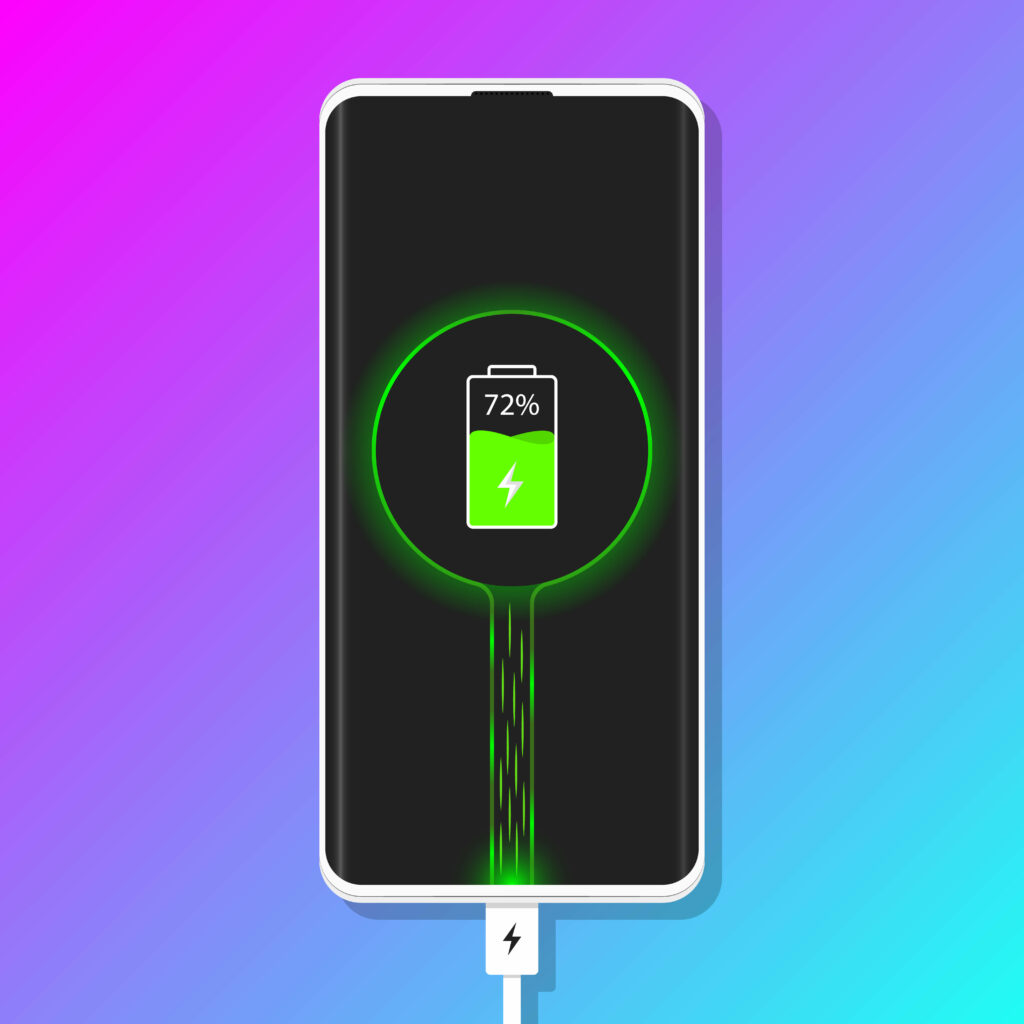
During normal usage, ions flow from the cathode through the electrolyte solution towards the anode when discharging occurs. Conversely, during charging cycles, these ions move in reverse direction – from anode back into cathode – replenishing energy stores within the battery.
Also Read: How Long Should an iPhone Take To Charge
The common myths about phone charging and battery damage
There are several misconceptions surrounding phone charging that can lead users astray when it comes to maintaining optimal battery health:
1. Myth: Leaving your phone plugged in overnight damages the battery.
Fact: Modern smartphones are equipped with advanced circuitry that prevents overcharging once they reach full capacity. Therefore leaving your device plugged in overnight will not harm its overall lifespan.
2. Myth: Frequent partial charges are better than full charges.
Fact: Li-ion batteries do not have a “memory effect” like older nickel-cadmium (NiCd) batteries. In fact, partial charges can lead to more frequent charging cycles, which can degrade the battery over time.
3. Myth: Using off-brand chargers will damage your phone’s battery.
Fact: While it is generally recommended to use certified chargers from reputable manufacturers, using non-certified chargers does not necessarily cause immediate harm. However, they may lack safety features and deliver inconsistent power levels that could potentially damage the battery in the long run.
The effects of using your phone while charging
| Effect | Description |
|---|---|
| Overheating | Using your phone while charging can cause it to overheat, which can damage the battery and other internal components. |
| Slower charging | When you use your phone while it’s charging, it can slow down the charging process, which means it takes longer to fully charge your phone. |
| Reduced battery life | Over time, using your phone while it’s charging can reduce the overall lifespan of your battery, which means you’ll need to replace it sooner. |
| Increased risk of electric shock | If you’re using your phone while it’s charging and the charger or cable is damaged, it can increase the risk of electric shock. |
Using your phone while it is connected to a charger has become a common practice for many users. Whether it’s scrolling through social media or watching videos, this habit can have consequences for your battery health.
When you use your phone while charging, it generates additional heat due to increased processor activity and screen usage. Heat is one of the primary factors that accelerate battery degradation and shorten its lifespan. The combination of heat from both charging and usage puts extra stress on the battery cells, leading to faster chemical reactions within them.
Moreover, using power-intensive applications or playing graphics-heavy games while charging can draw more current from the charger than it can provide continuously. This imbalance between power input and output creates strain on both the charger and the battery itself.
The Risks of Overheating and Overcharging
Overheating and overcharging are two significant risks associated with improper phone charging practices that can lead to severe damage to your device’s battery:
Overheating
Excessive heat generated during charging or prolonged usage sessions can cause irreversible damage to Li-ion batteries by accelerating chemical reactions within them. This leads to increased internal resistance, reduced capacity retention, and ultimately shorter overall lifespan.
Overcharging
Although modern smartphones have built-in mechanisms that prevent overcharging once they reach full capacity, there is still a small risk of overcharging due to faulty charging circuits or using incompatible chargers. Overcharging can cause the battery to swell, leak electrolyte, and even become a safety hazard.
To mitigate these risks, it is crucial to follow best practices for phone charging and ensure that your device does not overheat or remain connected to the charger for extended periods after reaching full charge.
Check Out: Why is my iPad not connecting to Wi-fi?
The impact of using non-certified chargers on battery health
Using non-certified chargers can pose significant risks to your phone’s battery health. While they may seem like a cost-effective alternative, these chargers often lack essential safety features and fail to deliver consistent power levels required by your device.
Non-certified chargers may not have undergone rigorous testing and quality control measures like certified ones do. This means they could potentially deliver excessive voltage or current that surpasses the safe limits specified by your phone’s manufacturer. Such irregularities in power delivery can lead to overheating, overcharging, or even short-circuiting of the battery.
To choose the right charger for your phone, always opt for certified options from reputable manufacturers that are specifically designed for your device model. These chargers undergo stringent testing procedures and adhere to industry standards ensuring optimal performance and safety.
The role of battery age in phone charging and damage
Battery age plays a crucial role in both phone charging efficiency and overall battery health. As batteries age, their capacity gradually decreases due to chemical reactions occurring within them during charge-discharge cycles.
Over time, this degradation leads to reduced energy storage capabilities resulting in shorter usage times between charges. Additionally, older batteries tend to exhibit higher internal resistance which translates into slower charging speeds as more energy is lost as heat during the process.
Monitoring your battery’s age is essential for understanding its current state of health and making informed decisions regarding its usage patterns or potential replacement if necessary. Most smartphones provide built-in tools or third-party applications that allow you to check your battery’s health and capacity.
The Best Practices For Phone Charging To Avoid Battery Damage
To ensure optimal battery health and longevity, it is crucial to follow these best practices for phone charging:
Avoid extreme temperatures: Exposing your phone to extreme heat or cold can negatively impact the battery’s performance and lifespan. Keep your device within the recommended temperature range specified by the manufacturer.
Use certified chargers: Always use chargers that are certified by reputable manufacturers and specifically designed for your device model. These chargers deliver consistent power levels without risking overcharging or overheating.
3. Charge in short bursts: Instead of letting your phone’s battery drain completely before recharging, aim for shorter charging sessions throughout the day whenever possible. This helps prevent deep discharges that can degrade the battery over time.
4. Avoid fast charging all the time: While fast charging is convenient, it generates more heat than regular charging methods, which can accelerate battery degradation in the long run. Reserve fast charging for when you need a quick boost and opt for regular speed charging during routine usage.
5. Unplug when fully charged: Once your phone reaches full charge, disconnect it from the charger promptly to avoid overcharging risks associated with prolonged connection times.
The Benefits of Disconnecting Your Phone While Charging
Disconnecting your phone from its charger while it charges may seem inconvenient at first glance but offers several benefits:
Reduced heat generation
By disconnecting your device from its charger during usage sessions, you minimise additional heat generated by processor activity and screen usage while simultaneously being charged.
Improved safety
Overheating due to simultaneous usage and charging can pose safety hazards such as thermal runaway or even fire risk in extreme cases – disconnecting mitigates these risks significantly.
Increased mobility
Disconnecting allows you greater freedom of movement as you are not tethered to a charging cable. This can be particularly useful when you need to use your phone while on the go or in situations where a power outlet is not readily available.
The importance of monitoring your phone’s battery health
Monitoring your phone’s battery health is crucial for understanding its current state and making informed decisions regarding its usage patterns or potential replacement if necessary.
By regularly checking your battery’s health, you can identify any significant capacity degradation or abnormal behavior that may indicate underlying issues. This allows you to take appropriate action, such as adjusting charging habits, seeking professional assistance, or considering a battery replacement if needed.
Most smartphones provide built-in tools that allow you to monitor your battery’s health and capacity. Additionally, there are numerous third-party applications available that offer more detailed insights into your device’s battery performance and provide recommendations for optimising its lifespan.
Conclusion and final thoughts on phone Charging and battery damage
In conclusion, proper phone charging practices are essential for maintaining optimal battery health and longevity. Understanding the science behind how batteries work, debunking common myths surrounding phone charging, avoiding overheating risks associated with using devices while they charge, using certified Apple or android chargers designed specifically for your device model – all contribute towards ensuring the best possible performance from your smartphone’s battery.
By implementing best practices such as avoiding extreme temperatures during usage or storage periods, opting for regular speed charging instead of fast-charging all the time when possible, disconnecting phones once fully charged – users can significantly extend their device’s overall lifespan while minimising risks associated with improper charging habits.
Remember to monitor your phone’s battery health regularly through built-in tools or third-party applications so that any potential issues can be identified early on and addressed promptly. By following these guidelines consistently in our daily routines, we can maximise our smartphone experience while safeguarding our valuable devices against unnecessary wear-and-tear caused by improper charging practices.
By taking proactive steps to maintain our phone’s battery health, we can ensure that it remains in optimal condition for longer periods of time. This includes avoiding extreme temperatures, using the correct charger, and not letting the battery drain completely before recharging. Additionally, being mindful of how we use our phones and implementing energy-saving strategies can help prolong battery life. Ultimately, by prioritising battery health, we can extend the lifespan of our devices and avoid the inconvenience of sudden power issues.
FAQs
What happens when you use your phone while charging?
When you use your phone while charging, it generates heat which can damage the battery. The battery may also take longer to charge or may not charge fully.
Can using your phone while charging cause an explosion?
No, using your phone while charging does not cause explosions. Explosions are caused by faulty batteries or chargers.
Is it safe to use your phone while charging?
It is generally safe to use your phone while charging, but it is not recommended as it can damage the battery and reduce its lifespan.
How long should you wait before using your phone after charging?
You can use your phone immediately after charging, but it is recommended to wait for a few minutes to allow the battery to stabilise.
Can using a non-original charger damage your phone battery?
Using a non-original charger can damage your phone battery as it may not provide the correct voltage and current required for your phone.
How can you extend the lifespan of your phone battery?
To extend the lifespan of your phone battery, avoid using your phone while charging, use original chargers, avoid overcharging, and keep your phone away from heat.
PK|11112080|1:30|CON